We live in an age of unparalleled medical convenience. If you feel a sharp pain in your chest or suffer a severe cut, a specialized ambulance is usually just a 911 call and a few minutes away. But what happens when the grid goes down?
Recent global events, extreme weather patterns, and rolling blackouts have exposed a terrifying fragility in our emergency response systems. For young, healthy individuals, a power outage is an inconvenience. For seniors, or anyone managing chronic health conditions, it can become a life-or-death crisis in a matter of hours. When the pharmacies are closed and the hospitals are overwhelmed, relying on “the system” is no longer a viable survival strategy.
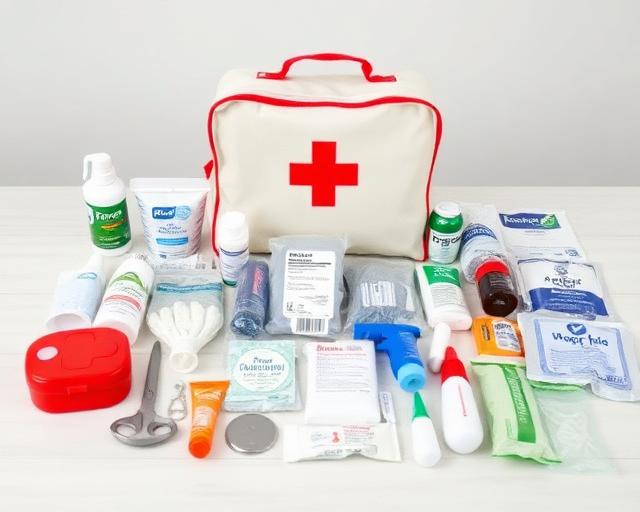
The Illusion of the First Aid Kit When most people think of medical preparedness, they buy a plastic First Aid Kit from a big-box store. While bandages, antiseptic wipes, and medical tape are useful for minor scrapes, they are entirely useless when facing a true medical emergency. A band-aid will not help you manage a sudden spike in blood pressure, treat a festering bacterial infection, or safely store insulin when the refrigerator has been without power for three days.
To truly protect yourself and your family, you need more than just supplies. You need the knowledge of how to act as a frontline medical responder in your own living room.
The Single Most Important Survival Item The one item every senior household must have is not a pill or a gadget—it is a comprehensive, offline medical protocol guide designed specifically for grid-down scenarios.
When you cannot rely on an internet search or a doctor’s visit, a physical medical survival manual becomes your lifeline. You need a resource that explicitly outlines how to manage situations when professional help is not on the way. This includes knowing which over-the-counter medications can substitute for prescription painkillers, how to safely clean and suture an open wound to prevent gangrene, and the legal workarounds for stockpiling life-saving antibiotics before a crisis hits.
Self-Reliance is the Ultimate Insurance In conflict zones and economically collapsed regions like Venezuela, citizens quickly learned that those who survived were the ones who adapted. Doctors in these regions developed ingenious, field-tested methods to treat patients without running water, electricity, or standard medical supplies.
These exact protocols are what every senior needs sitting on their bookshelf. Knowing how to quickly recognize the difference between a benign arrhythmia and a dangerous cardiac event, or understanding which household items can be used as emergency antiseptics, transforms you from a helpless victim into a capable “Home Doc.”
Do not wait until the lights go out to realize you are unprepared. Secure the knowledge you need while the supply chains are still intact. [Discover the 304-page medical survival guide that every household is stockpiling today.]